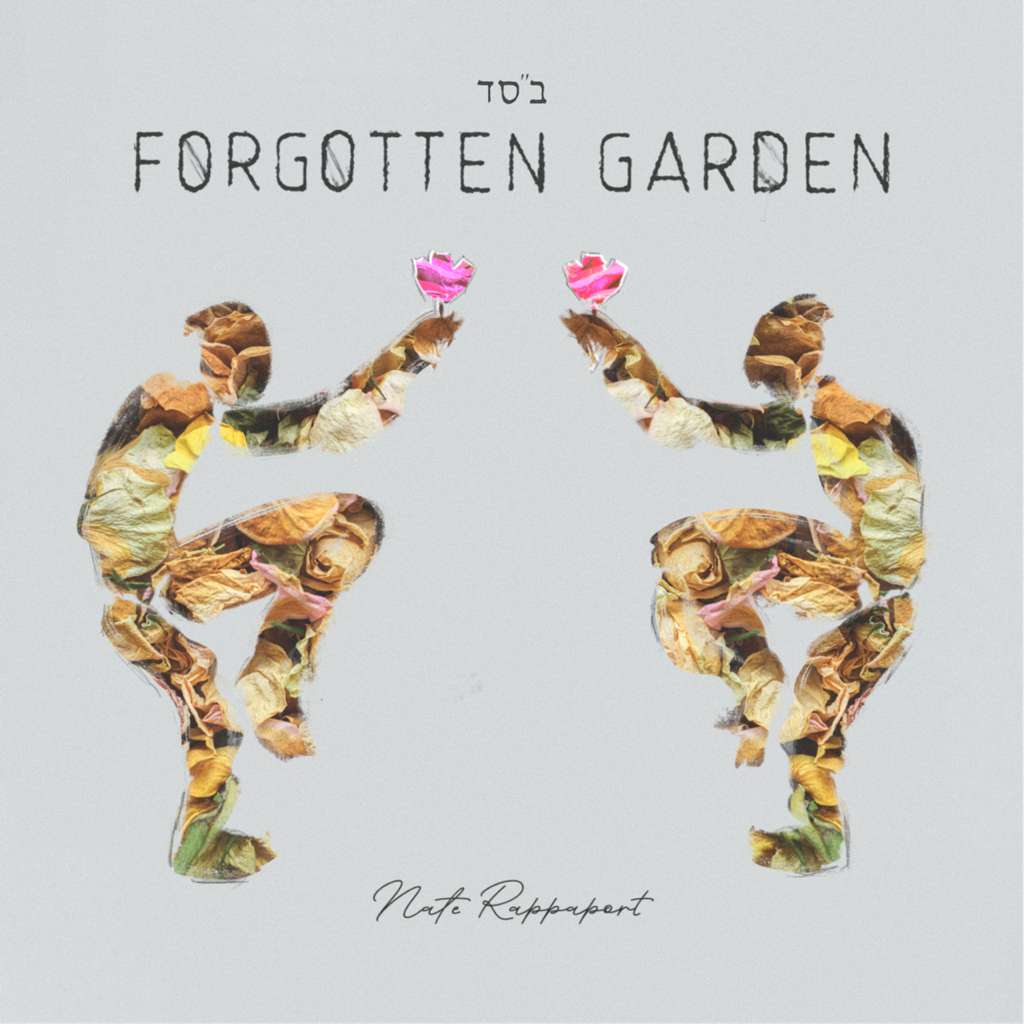
FORGOTTEN GARDEN
Debut solo album by New York–based drummer, composer & multi-instrumentalist Nate Rappaport. Drawing from meditative and spiritual traditions, Forgotten Garden is a genre-defying project — visceral and contemplative at once, reaching for the spiritual embedded in the physical.
Listen & Download
Stream on Bandcamp
Private album streaming.
Download the Album
Private download — full-quality WAV and MP3 files.
Press Release (PDF)
Download the official press release.
Private links for press and presenters — not for redistribution.
Press Release
In Forgotten Garden, New York City–based composer, drummer, and multi-instrumentalist Nate Rappaport explores the meeting point between the physical and the spiritual. Drawing inspiration from Jewish mysticism and Hasidic teachings, the work reflects on the possibility of discovering the divine within the natural and material world. Through drums, flutes, kalimba and voice, Rappaport creates an immersive musical landscape that draws out the melodic and harmonic dimensions of rhythm, inviting listeners to reconsider the spiritual potential hidden within the physical.
Forgotten Garden unfolds as a single, interconnected composition comprising seven movements. Each movement reveals a different facet of a larger journey, moving through the beauty of nature, personal reflection, humility, ordinary labor, spiritual longing, and ultimately, the rediscovery of the divine within the world around us.
The journey begins with “Flower Dance,” an expression of movement and organic beauty that evokes the vitality and wonder of the natural world. This opening introduces the work’s central invitation: to rediscover the beauty and deeper meaning that can be found in the seemingly ordinary. The second movement, “Song of Repentance,” turns inward, introducing a more contemplative dimension of reflection and return.
The third movement, “Moon Interlude,” draws on the moon’s sublime beauty and its relationship to the sun, reflecting the spiritual idea of humility: lowering oneself to receive and reflect a greater light. The movement continues the journey inward, exploring the possibility that receptivity itself can become a source of illumination.
The fourth movement, “Wood Chopper,” shifts toward the physical world of everyday activity, finding beauty and meaning in the simplicity of ordinary work. Through this image, Rappaport explores how even the most mundane actions can become vessels for deeper awareness, suggesting that spiritual life need not exist apart from the physical tasks that shape our days.
The fifth movement, “Voice in the Forest,” takes on a haunting character, drawing inspiration from an ancient Hasidic melody depicting a Father calling out to His children in exile, longing for their return. The piece evokes a sense of spiritual distance, yearning, and the enduring desire for reconnection. Within the larger arc of the work, this longing becomes a turning point — a reminder of a connection that may have been forgotten but remains within reach.
The sixth movement, “Seven Stars,” unfolds through an almost lullaby-like melody, reflecting on the simple beauty hidden within the number seven and its connection to the natural world. With a gentle, contemplative quality, the movement evokes the quiet harmony and subtle patterns woven throughout creation, preparing the way for the work’s final arrival.
The composition culminates in “Welcome to My Garden,” a reflection on a Hasidic teaching rooted in Song of Songs 5:1, in which G-d refers to the physical world as “His Garden.” The movement explores the idea that the material world holds a unique spiritual potential, and that our task is to transform what may seem like a chaotic jungle into a garden — a place where the divine can be revealed and cultivated.
Musically, Forgotten Garden brings together meditative melodies, intricate harmonic rhythms, and a diverse palette of instruments. Rappaport approaches the drums and percussion not merely as rhythmic foundations, but as instruments capable of expressing melody, harmony, and spiritual depth. By exploring the musical possibilities hidden within rhythm and allowing the physical act of performance to become part of the composition’s meaning, he creates a work that is both visceral and contemplative.
Rather than treating spirituality as something removed from everyday existence, Forgotten Garden asks what it might mean to encounter the divine precisely within the tangible world. Its seven movements form one continuous journey toward rediscovery: learning to hear the harmony within the rhythms of nature, to find meaning in ordinary labor, and to recognize the potential for spiritual connection within the physical world.
Ultimately, Forgotten Garden is an invitation to transform the way we experience the world around us. What may appear chaotic, mundane, or disconnected can become a garden when approached with awareness and intention. Through sound, movement, and spiritual reflection, Rappaport explores the possibility that the connection we seek has been present all along, waiting to be rediscovered.
The album will be released on December 11, 2026, through Garden Records, Nate Rappaport’s independent record label. The album will be available on CD, Bandcamp, and all streaming platforms.
Bio
Nate Rappaport is a New York City–based composer, drummer, multi-instrumentalist, and performing artist whose work explores the intersection of rhythm, melody, improvisation, and spiritual expression. Working across Drums, percussion, flutes, Kalimba, and Voice, Rappaport approaches percussion not simply as rhythmic accompaniment, but as a melodic and expressive instrument capable of carrying harmony, narrative, and emotion.
His music draws from a wide range of influences, including jazz, rock, classical and folk traditions, African rhythmic concepts, Jewish thought and mysticism, and meditative musical practices. Moving fluidly across musical traditions, Rappaport develops a distinctive compositional language that brings together rhythmic exploration, harmonic depth, and spiritual inquiry.
Rappaport has developed his work through performances, collaborations, recording, teaching, and film scoring throughout New York City. He has performed at venues including The Stone, ShapeShifter Lab, and Nublu, and has collaborated and performed with numerous artists, including Jon Madof, Moshe Sobol, and Zusha. He is also a member of the Jon Madof Trio, whose music has been released through John Zorn's Tzadik Records.
His projects, including The Primordial Sessions and Forgotten Garden, reflect an ongoing pursuit of music that transcends conventional boundaries and invites listeners into a deeper experience of rhythm, sound, and the spiritual dimensions of everyday life.
Videos
Wood Chopper - Live (ShapeShifter Lab, NY)
Album Promo
Photos
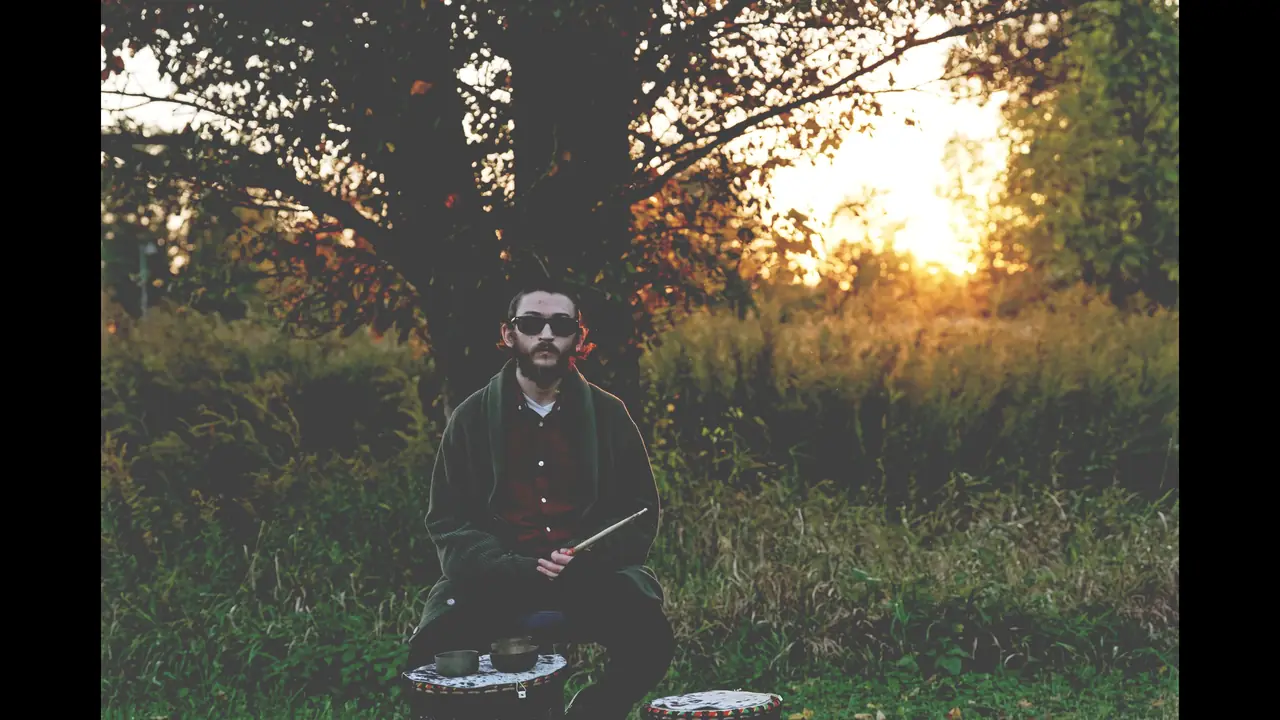
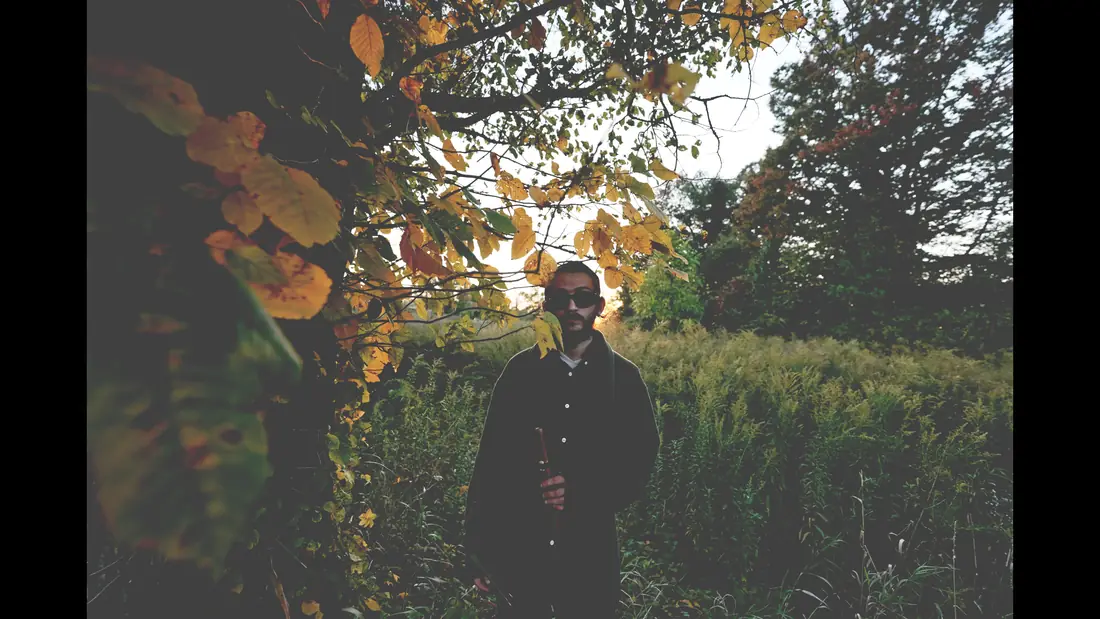







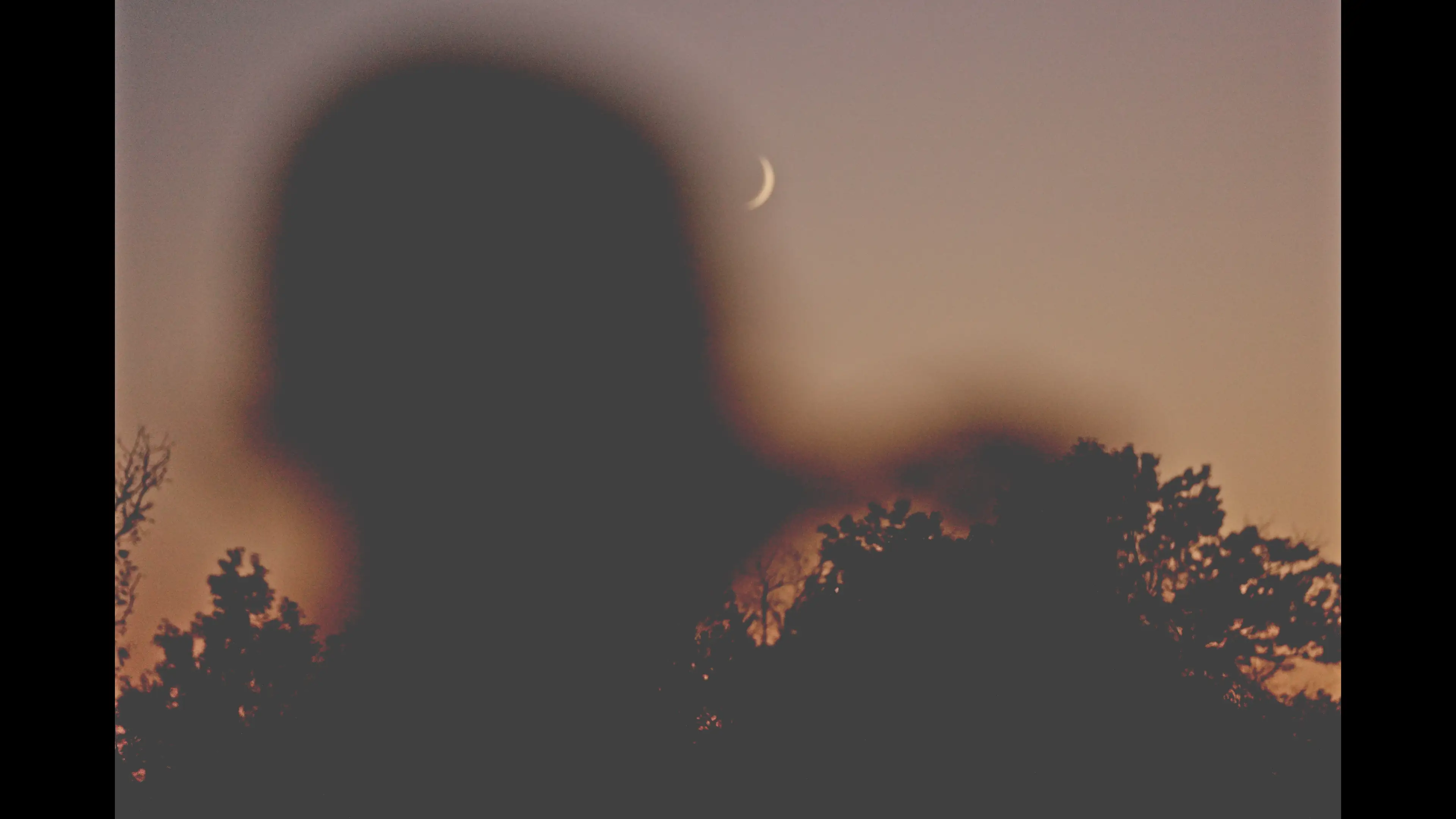


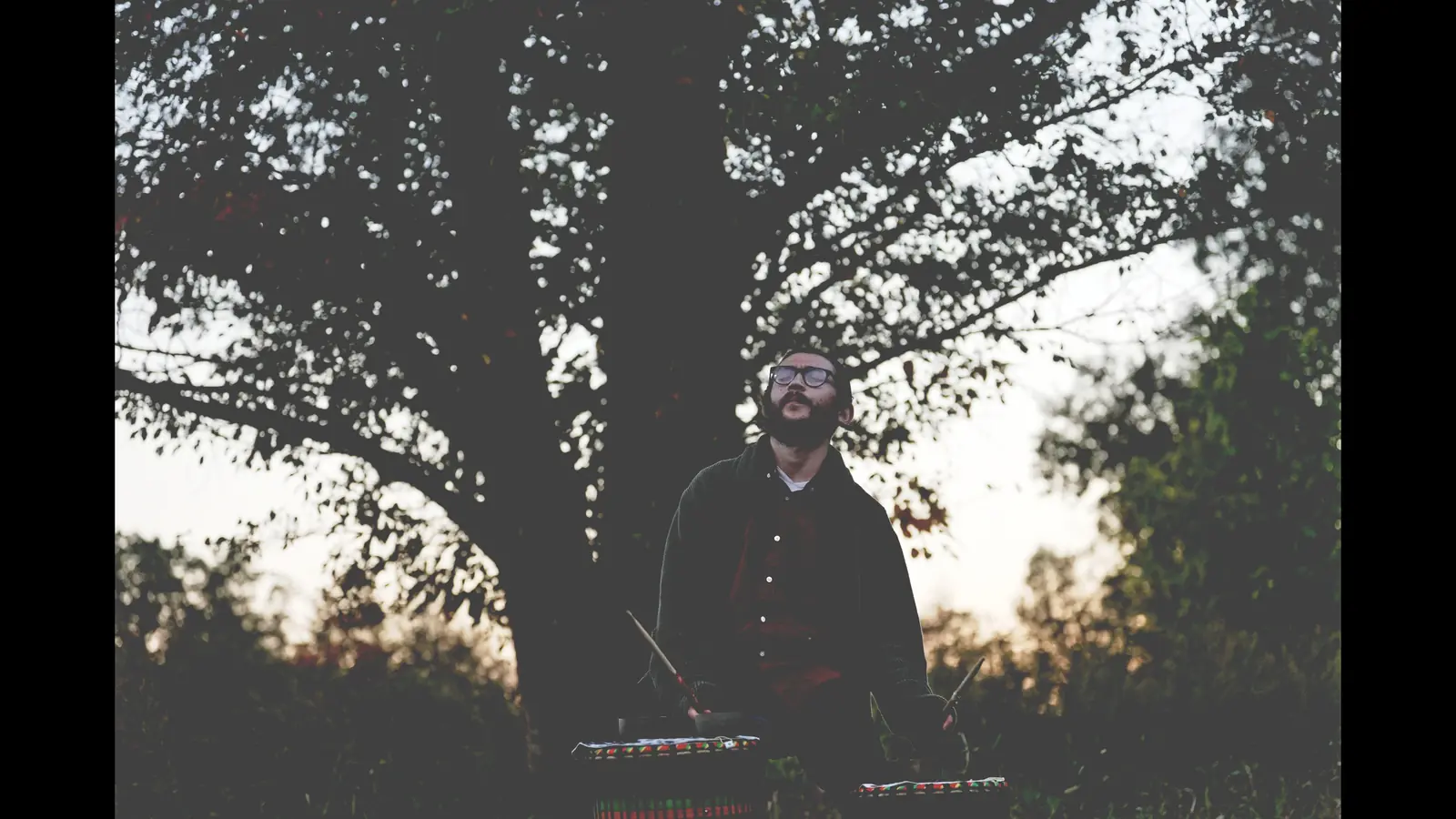

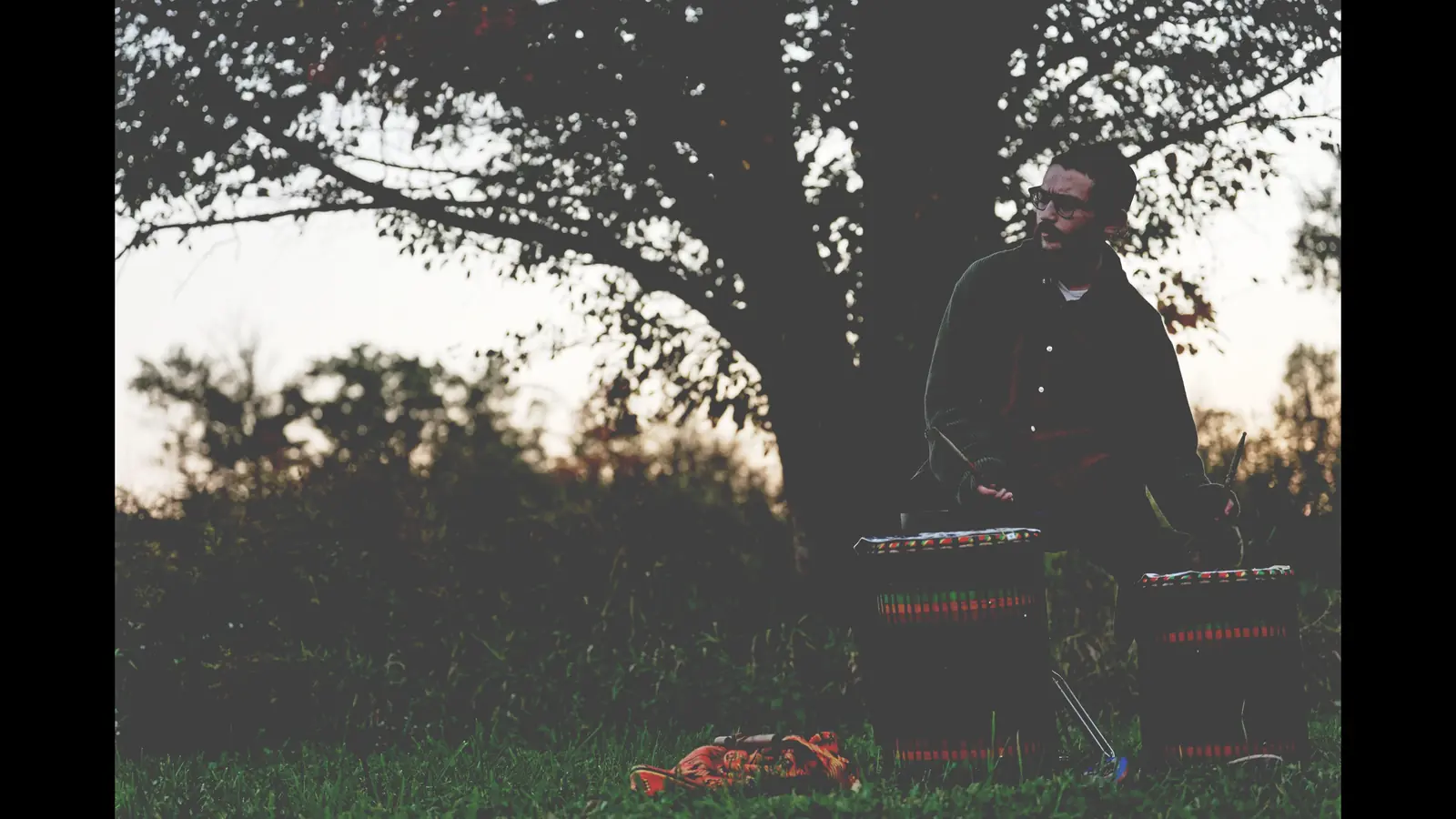
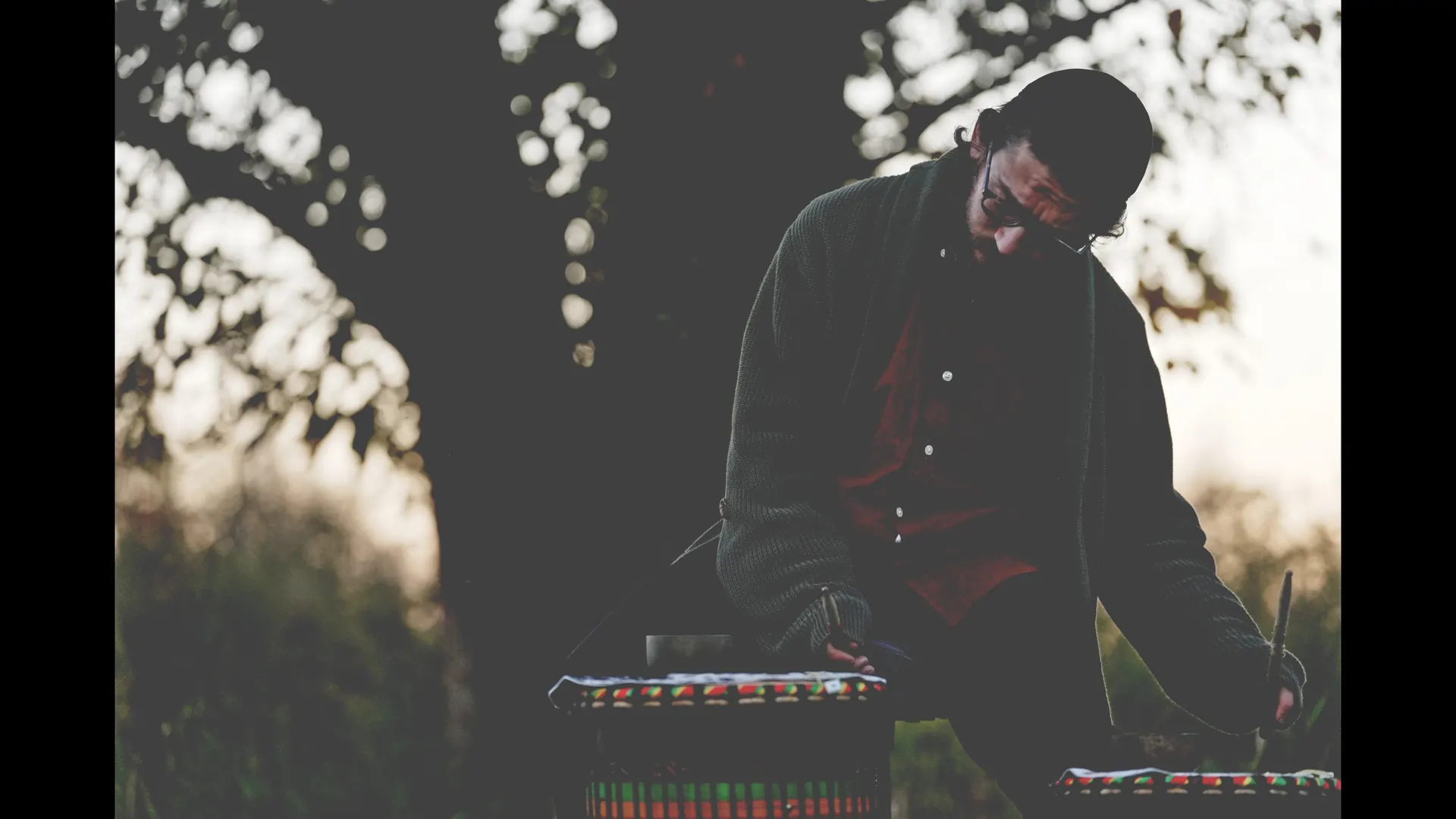

All photos by @elijahrappaport
Album Info & Credits
- Title
- Forgotten Garden
- Artist/Composer
- Nate Rappaport
- Performed by
- Nate Rappaport — Drums, Percussion, Flutes, Kalimba, Voice
- Release Date
- December 11, 2026
- Label
- Garden Records
- Co-Release
- Skuckx Records (Zurich, Switzerland)
- Recorded at
- The Creamery Studio
- Sound Engineer
- Carmine Francis
- Mixing and Mastering
- James Dellatacoma
- Cover Design
- Ari G. @ Shtettlworld.com
Movements
- 1. Flower Dance
- 2. Song of Repentance
- 3. Moon Interlude
- 4. Wood Chopper
- 5. Voice in the Forest
- 6. Seven Stars
- 7. Welcome To My Garden (Song Of Songs 5:1)